Beschrijving
With the dramatic increase in RNA 3D structure determination in recent years, we now know that RNA molecules are highly structured.
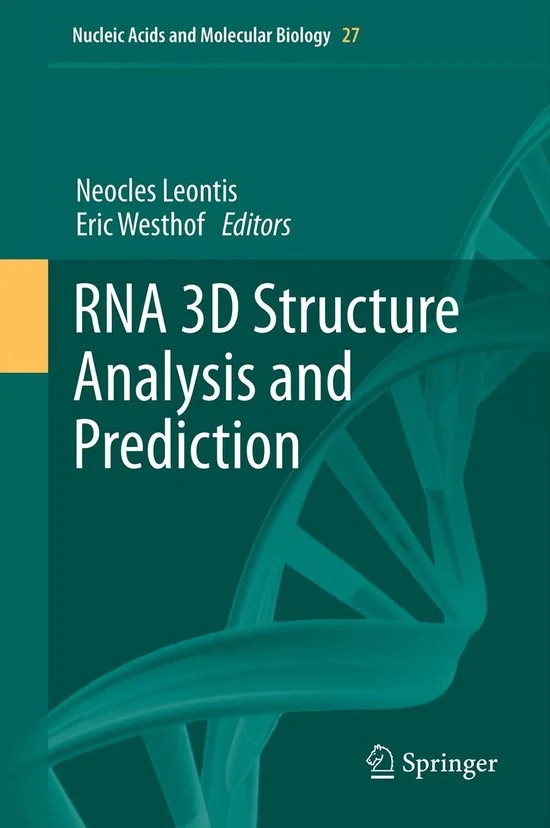
With the dramatic increase in RNA 3D structure determination in recent years, we now know that RNA molecules are highly structured. Moreover, knowledge of RNA 3D structures has proven crucial for understanding in atomic detail how they carry out their biological functions. Because of the huge number of potentially important RNA molecules in biology, many more than can be studied experimentally, we need theoretical approaches for predicting 3D structures on the basis of sequences alone. This volume provides a comprehensive overview of current progress in the field by leading practitioners employing a variety of methods to model RNA 3D structures by homology, by fragment assembly, and by de novo energy and knowledge-based approaches.
With the dramatic increase in RNA 3D structure determination in recent years, we now know that RNA molecules are highly structured. Moreover, knowledge of RNA 3D structures has proven crucial for understanding in atomic detail how they carry out their biological functions. Because of the huge number of potentially important RNA molecules in biology, many more than can be studied experimentally, we need theoretical approaches for predicting 3D structures on the basis of sequences alone. This volume provides a comprehensive overview of current progress in the field by leading practitioners employing a variety of methods to model RNA 3D structures by homology, by fragment assembly, and by de novo energy and knowledge-based approaches.